Solar Installation in Faisalabad: A 2026 Cost and ROI Guide
Rising grid tariffs and long load-shedding hours have pushed thousands of households toward solar installation in Faisalabad, and 2026 is shaping up to be the most affordable year yet to switch. Panel prices have softened, net metering rules are clearer, and local installers now offer tighter warranties. If you are weighing the numbers before you commit, this guide breaks down real costs, payback periods, and the practical steps that separate a reliable system from an expensive headache.
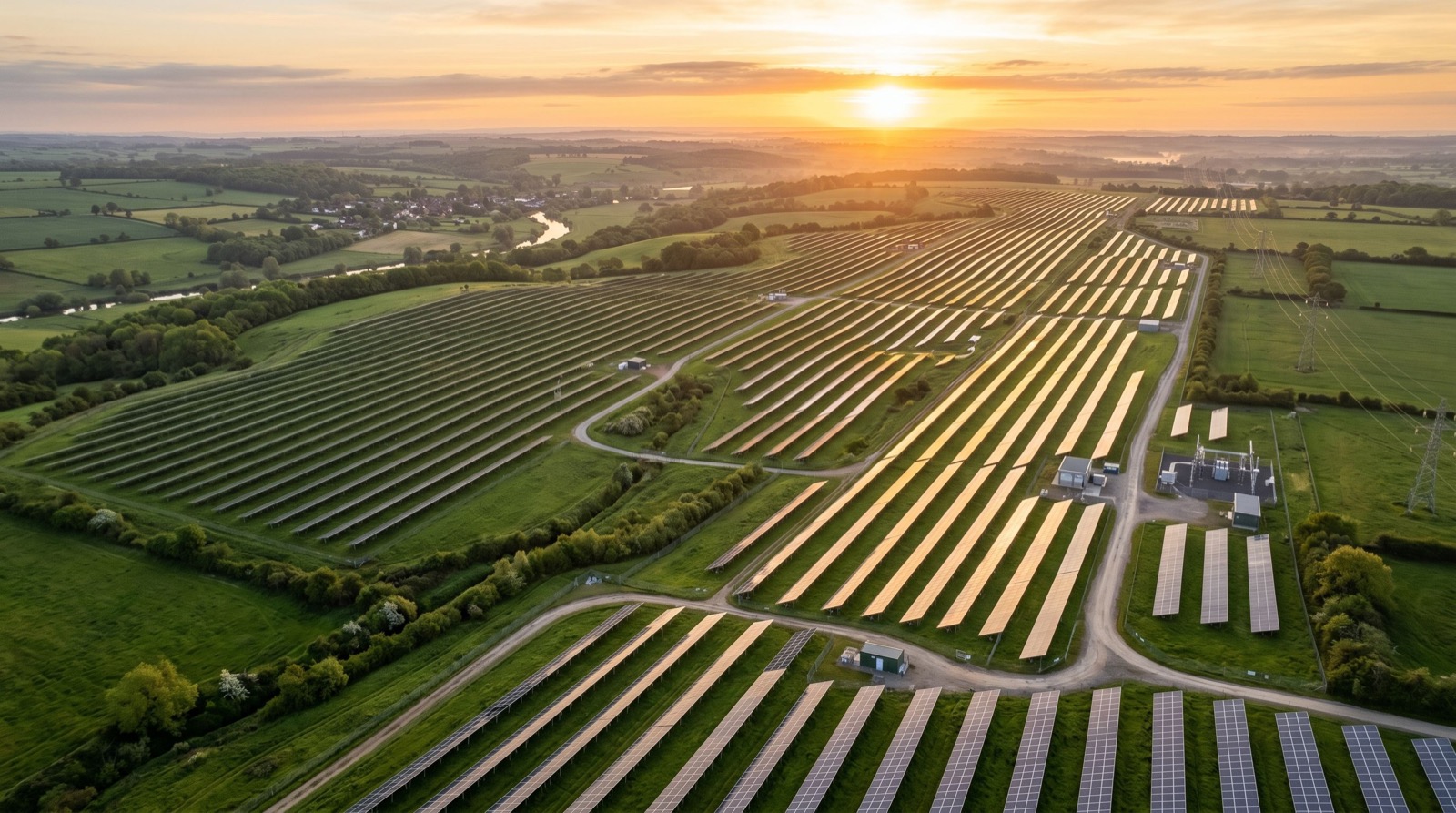
Faisalabad’s climate is genuinely kind to photovoltaic systems. The city records strong year-round irradiance, with long, bright summers that let a well-sized array generate surplus units you can push back to the grid.
Why Solar Installation in Faisalabad Pays Off in 2026
The math has shifted. Three forces now work in a homeowner’s favour:
- Cheaper hardware. Tier-1 panel prices per watt have fallen sharply over the last two years as global manufacturing scaled up.
- Net metering. Surplus generation is credited against your bill under rules overseen by the national regulator, shortening payback.
- Higher grid tariffs. Every rupee the utility adds to per-unit rates makes your self-generated electricity more valuable.
Textile units, dairy farms, and middle-class homes across the city are the typical adopters. A single heavy-usage household running two air conditioners through a Faisalabad summer often recovers its investment faster than a low-consumption home, simply because it offsets more expensive peak units.
What a Typical Faisalabad Home Needs
Most families land on a 5 kW to 10 kW system. Sizing depends on your monthly units, roof area, and whether you want battery backup or a grid-tied setup. A grid-tied system is cheaper and ideal for day-heavy loads; a hybrid adds batteries for the evening peak and outages.
Solar System Cost Breakdown for 2026
The table below shows realistic installed prices for common residential sizes in Faisalabad, including panels, inverter, mounting, wiring, and labour. Figures are indicative ranges for quality Tier-1 equipment.
| System Size | Est. Daily Units | Typical Home | Rough Payback |
|---|---|---|---|
| 5 kW | 20–25 units | 2–3 ACs, small family | 3.5–4.5 years |
| 7.5 kW | 30–38 units | 3–4 ACs, larger home | 3–4 years |
| 10 kW | 40–50 units | Big home or small shop | 3–4 years |
| 15 kW | 60–75 units | Commercial / farmhouse | 2.5–3.5 years |
Payback assumes net metering and current tariff trends. Batteries add cost and do not pay back as quickly, so add them only if you genuinely need outage coverage.
Where Your Money Actually Goes
- Panels (~40–50%) — the single biggest line item; insist on Tier-1 mono PERC or N-type modules.
- Inverter (~15–20%) — the brain of the system; a quality hybrid or string inverter protects your whole investment.
- Structure and BOS (~15%) — mounting, cables, breakers, and earthing.
- Labour and net metering (~15%) — installation plus the documentation for your meter application.
How Do You Choose a Trustworthy Installer?
The equipment matters, but the installer determines whether your system still performs in year ten. Faisalabad has dozens of vendors, and quality varies widely. Look for a company that surveys your roof in person, shares a single-line diagram, and puts warranty terms in writing.
Ask about workmanship warranty, not just the panel manufacturer’s warranty. A good team will handle your net metering paperwork end to end and return for after-sales service. Many homeowners who later upgraded told us they wished they had started with dependable specialists instead of chasing the lowest quote.
If you are comparing providers for solar installation in Faisalabad, shortlist at least three and weigh service record over headline price. The same scrutiny applies if you are sourcing solar panels in Multan or any nearby city, where dust loads and heat make build quality even more important.
Red Flags to Avoid
- No physical site survey before quoting.
- Vague brand names or refusal to name the panel and inverter make.
- Prices far below market — usually a sign of refurbished or low-tier gear.
- No support for the net metering application.
Net Metering and Approvals
Net metering lets you export surplus daytime generation and draw it back as credit. Applications are processed through your distribution company under a framework set by the National Electric Power Regulatory Authority (NEPRA). You will need a system within the sanctioned load limit, a bidirectional meter, and approved inverter specifications.
For a broader view of Pakistan’s renewable roadmap and incentives, the Alternative Energy Development Board publishes current policy details that are worth reviewing before you sign.
Maintenance in a Dusty City
Faisalabad’s air carries industrial and agricultural dust that settles on panels and quietly cuts output. Plan a gentle rinse every few weeks in dry months. Keep the inverter in a shaded, ventilated spot, and schedule an annual check of connections and earthing. These small habits protect the 3–4 year payback the numbers above assume.
Frequently Asked Questions
How much does solar installation in Faisalabad cost in 2026?
A quality 5 kW grid-tied system typically falls in the low-to-mid range for residential setups, while 10 kW systems cost roughly double. Prices depend on panel tier, inverter brand, and whether you add batteries.
Is net metering worth it for a Faisalabad home?
Yes for most day-heavy households. Net metering credits your surplus generation against night-time grid use, which is the main reason grid-tied payback periods stay around three to four years.
Do I need batteries?
Only if you want backup during outages. Batteries raise the upfront cost and have a shorter lifespan than panels, so many homeowners start grid-tied and add storage later.
How long do solar panels last?
Tier-1 panels carry performance warranties of 25 years or more and commonly keep producing beyond that, provided they are cleaned and the wiring is maintained.
A Real-World Example From the Field
Consider a four-bedroom home in the Peoples Colony area running two inverter ACs through summer. The family averaged roughly 900 units a month and faced a steep slab-rate bill. After a 7.5 kW grid-tied system went in, daytime cooling ran almost entirely on solar, and net metering credits from midday surplus cushioned the evening draw.
Their effective monthly bill dropped to a fraction of the old figure during peak months. On paper, the system is tracking a payback just under four years — and that is before accounting for any further tariff increases, which only shorten the timeline.
One Practical Tip Installers Rarely Mention
Face as many panels as possible toward the south at a tilt close to Faisalabad’s latitude, but keep a small west-facing string if your evenings are heavy. That western slice shifts a little generation into the late-afternoon peak, exactly when grid units are most expensive. It is a small design tweak that quietly improves self-consumption.
The Bottom Line
In 2026, solar installation in Faisalabad offers one of the strongest returns available to a household: a three-to-four-year payback, decades of low-cost power, and protection from unpredictable tariffs. Size the system to your real consumption, insist on Tier-1 equipment, and choose an installer who stands behind the work. Get three written quotes, confirm net metering support, and you will be generating your own electricity within weeks.